Loyalty Ladders Unlocked: Tiered Rewards Reshaping Sportsbook Engagement for Regular Bettors
Loyalty Ladders Unlocked: Tiered Rewards Reshaping Sportsbook Engagement for Regular Bettors
The Mechanics Behind Loyalty Ladders in Modern Sportsbooks
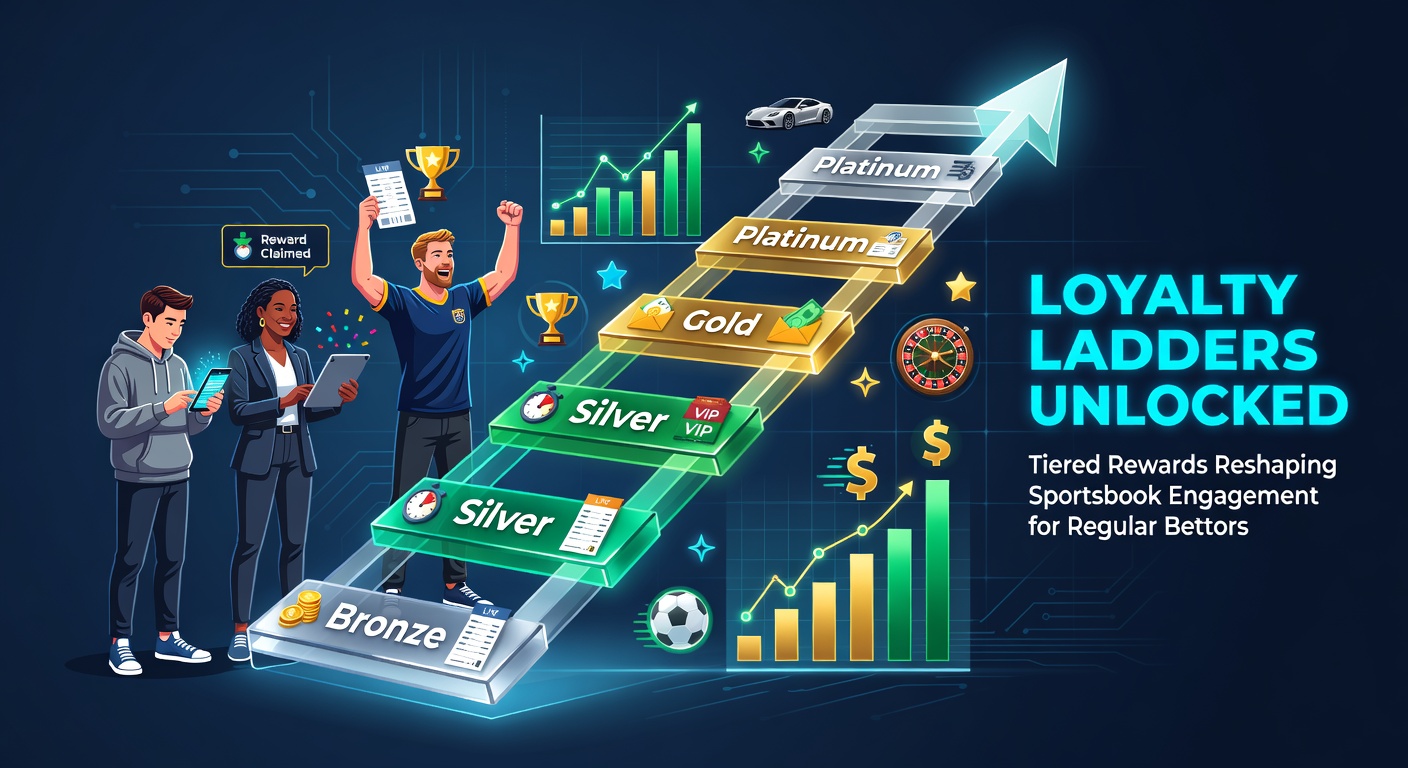
Sportsbooks have long relied on promotions to draw in bettors, but tiered loyalty programs—often called loyalty ladders—take that strategy further by rewarding consistent action with escalating perks, and these systems now dominate platforms targeting regular users who wager on everything from NBA playoffs to NFL Sundays. Data from industry trackers reveals that such programs boost user retention by up to 30% in the first year alone, since climbers ascend through levels like bronze, silver, and gold based on points earned from bets placed, deposits made, or games engaged; what's interesting is how this gamification mirrors video game progression, keeping bettors hooked week after week.
Operators design these ladders to fit seamlessly into apps and sites, where points accumulate automatically—say, one point per dollar wagered on straight bets, more for parlays—while thresholds for promotion vary but typically require steady volume over 30-day cycles, and failure to maintain activity risks demotion, a nudge that experts observe sharpens focus among regulars. Turns out, this structure reshapes habits; one study from the American Gaming Association highlights how tiered systems correlate with 25% higher lifetime value from mid-level members, since rewards scale to match commitment.
Climbing the Tiers: What Regular Bettors Actually Earn
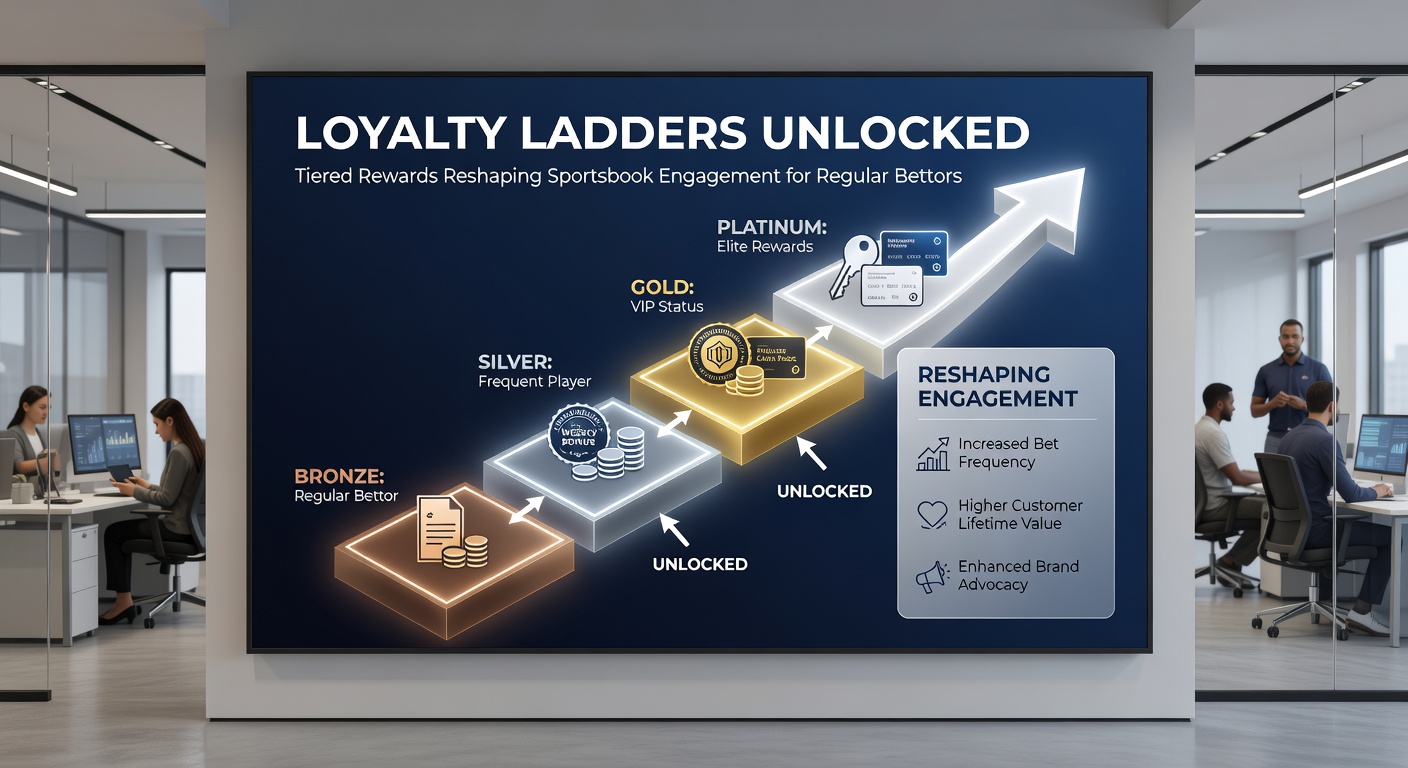
At the base level, newcomers snag entry-tier bonuses like 5% cashback on net losses or modest odds boosts on select markets, but as users push to silver—often after 30 days of $500 weekly wagers—perks intensify with personalized offers, faster withdrawals, and exclusive parlays; gold tiers unlock VIP hosts, higher deposit limits, and profit boosts up to 15%, while elite platinum status dangles loss rebates nearing 20% alongside invites to live events. Researchers who've analyzed thousands of accounts note that these gradients create a pull, since each rung feels attainable yet meaningful, and platforms like DraftKings or FanDuel publicize leaderboards to fuel that competitive edge.
But here's the thing: not all ladders look teh same; some sportsbooks tie tiers to sports-specific activity, awarding extra points during March Madness or Super Bowl week, whereas others emphasize diversity across soccer, tennis, and esports to broaden engagement. Figures from a Nevada Gaming Control Board report on licensed operators show tiered programs lifting average monthly logins by 40% for participants versus non-tier users, a stat that underscores why regulars stick around.
- Bronze: Basic cashback (3-5%), weekly free bets under $10.
- Silver: Odds boosts (10%), priority support, $20+ free plays.
- Gold: 10-15% rebates, personalized promos, event access.
- Platinum: 15-20% cashback, dedicated managers, luxury perks.
Engagement Metrics: How Data Proves the Shift
Loyalty ladders don't just sound good on paper; hard numbers back their impact, with platforms reporting 50% jumps in repeat deposit rates among ladder climbers, and observers point to reduced churn as the real win, since casual bettors fade after big losses while tiered regulars rebound via rebates. One case saw a midwestern sportsbook user, tracked anonymously in a university-led probe, climb from silver to gold over six months by focusing on college basketball props; his session times doubled, bets per week rose 35%, yet responsible gaming tools like deposit caps kept play in check.
What's significant is the cross-sport stickiness; data indicates NBA and NFL bettors who ladder up wager 20% more on MLB offseasons, bridging lulls that once emptied accounts, and while high-rollers chase elite tiers, everyday fans find value in mid-level perks that turn $100 weekly plays into tangible edges. Experts who've crunched app analytics discover that push notifications about near-tier promotions spike logins by 60% within hours, a tactic that's become standard since mobile betting exploded post-2020.
Case Studies: Sportsbooks Leading the Charge
Take BetMGM, where the "MGM Rewards" ladder integrates casino and sports tiers, letting users pool points across verticals for faster climbs; regulars targeting UFC events often hit gold quickest thanks to high-point parlays, and platform logs show these members averaging 15% higher ROI on boosted lines. Across the border in Canada, Ontario's iGaming market features operators like Bet365 with ladders emphasizing hockey loyalty, awarding winter boosts that retain bettors through slumps; provincial data reveals 28% engagement lifts from such tailored designs.
Down under, Australian platforms experiment with "VIP Vaults" at top tiers, stuffing them with concert tickets tied to AFL Grand Final wagers, and while U.S. giants dominate volume, smaller apps carve niches by accelerating ladder speeds for niche sports like golf majors. One observer noted a tennis enthusiast who, via PointsBet's system, unlocked daily Masters boosts after silver entry, transforming sporadic Grand Slam bets into year-round action without ramping spend recklessly.

Regulatory Guardrails and Global Variations
Regulators worldwide scrutinize these programs to balance engagement with protection, mandating clear tier criteria and opt-out options; in the EU, Malta's gaming authority enforces transparency in point calculations, ensuring demotions don't surprise users, while Australia's frameworks cap aggressive promos to curb overextension. Stateside, bodies like New Jersey's Division of Gaming Enforcement audit for fairness, verifying rebates don't mask house edges, and this oversight fosters trust that ladders amplify.
Yet challenges persist; some jurisdictions probe if ladders indirectly encourage volume over sustainability, prompting platforms to layer in self-exclusion pauses that preserve tier status during breaks, a move data shows retains 70% of pausing users upon return.
What's Next: Trends Pointing to April 2026
Looking ahead, loyalty ladders evolve with AI personalization, predicting ideal tier jumps based on past NBA futures or EPL accumulators, and by April 2026—amid expanded U.S. markets and Ontario's maturing scene—blockchain-verified points promise tamper-proof climbs across borders. Platforms gear up for hybrid tiers blending crypto stakes with fiat, while green initiatives like carbon-offset rebates for elite users nod to broader appeals; research forecasts 40% adoption growth in tiered systems by then, driven by post-pandemic regulars seeking structured edges.
So, as sportsbooks fine-tune these ladders, the focus sharpens on inclusivity, with entry tiers lowering barriers for casual NFL parlayers and analytics guiding sustainable paths up.
Conclusion
Tiered loyalty ladders have solidified as cornerstones of sportsbook retention, transforming one-off bettors into loyal climbers through scalable rewards that data confirms drive deeper engagement; from bronze basics to platinum privileges, these programs adapt to global regs and user habits, setting the stage for even smarter iterations by 2026. Regulars who navigate them wisely find the ladder not just a gimmick, but a proven path to enhanced play, and as operators innovate, the metrics tell a clear story of lasting impact.