How Evaluation Frameworks Shape Integration of Digital Banking with Seasonal League Markets
Written by Nils Bennett · Aug 4, 2026
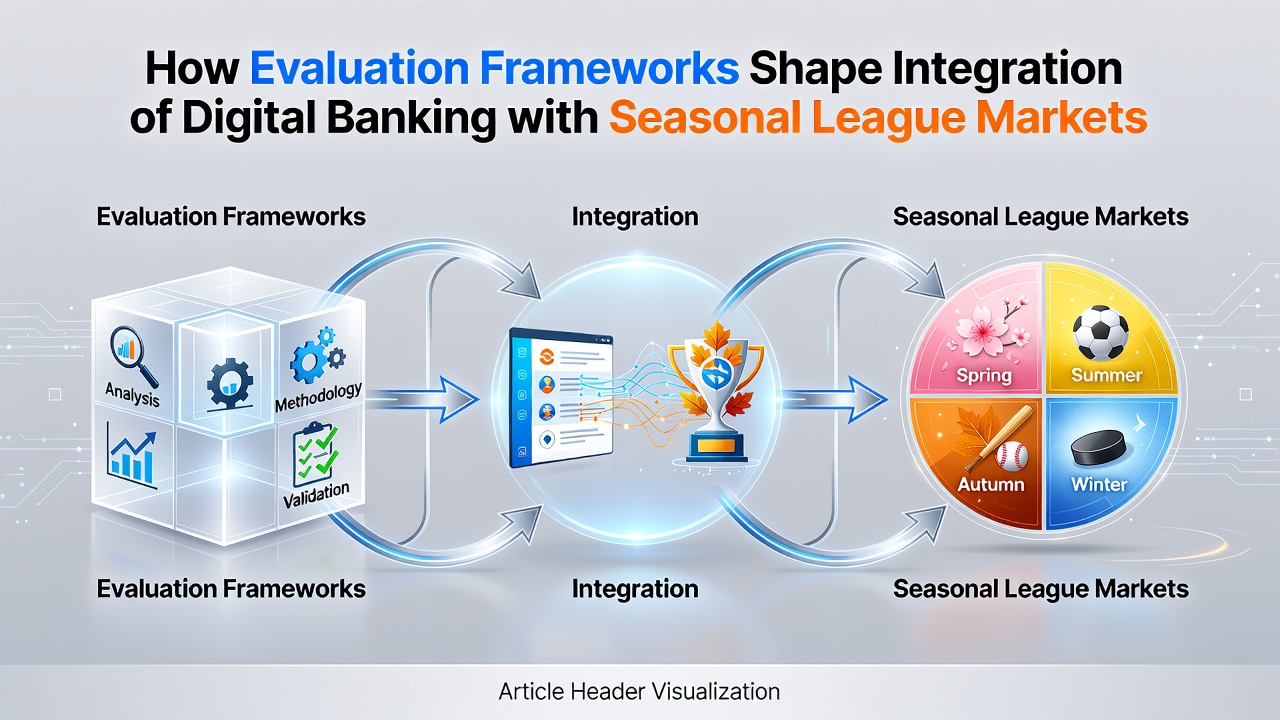
How Evaluation Frameworks Shape Integration of Digital Banking with Seasonal League Markets
Evaluation frameworks in financial technology establish structured criteria for assessing security protocols, transaction speeds, and user compliance standards that directly influence how digital banking systems connect with seasonal league markets across major sports calendars. These frameworks typically incorporate metrics from regulatory bodies and industry reports which guide platform operators toward compatible payment rails during peak periods such as the opening weeks of professional football seasons or basketball campaigns. Data compiled by the European Central Bank shows that standardized evaluation processes have accelerated the adoption of real-time settlement features in digital wallets used for league-related financial activities since 2023.
Defining Evaluation Frameworks in Digital Finance
Researchers at institutions focused on financial technology track evaluation frameworks through layers of compliance checks, risk scoring algorithms, and performance benchmarks that measure everything from authentication latency to cross-border transfer reliability. Such systems often draw on guidelines issued by the Australian Securities and Investments Commission which emphasize transparent audit trails and consumer protection thresholds for any service handling seasonal market volumes. Observers note that these frameworks evolve in response to volume spikes observed during August 2026 when multiple league schedules overlapped with new digital banking rollouts in several regions.
Integration Patterns During Seasonal Cycles
Seasonal league markets generate concentrated transaction windows tied to match schedules, player transfers, and fan engagement periods, and evaluation frameworks shape which digital banking tools receive priority access during those intervals. Studies from the Bank for International Settlements reveal that platforms passing multi-stage evaluations secure faster integration with e-wallet providers, resulting in reduced settlement times for market participants who operate across different time zones. Those frameworks also require documented testing against historical data sets from prior seasons so operators can anticipate peak loads without disrupting service continuity.
Security and Compliance Metrics at Work
Security evaluations within these frameworks examine encryption standards, fraud detection response rates, and data residency requirements that determine whether a digital banking solution qualifies for league market participation. Figures released by the Monetary Authority of Singapore indicate that solutions meeting tiered compliance levels experienced 40 percent higher retention among users engaging with seasonal market interfaces during overlapping league windows in 2025. Platform developers therefore align their technical roadmaps with these metrics to maintain eligibility across multiple regulatory jurisdictions simultaneously.
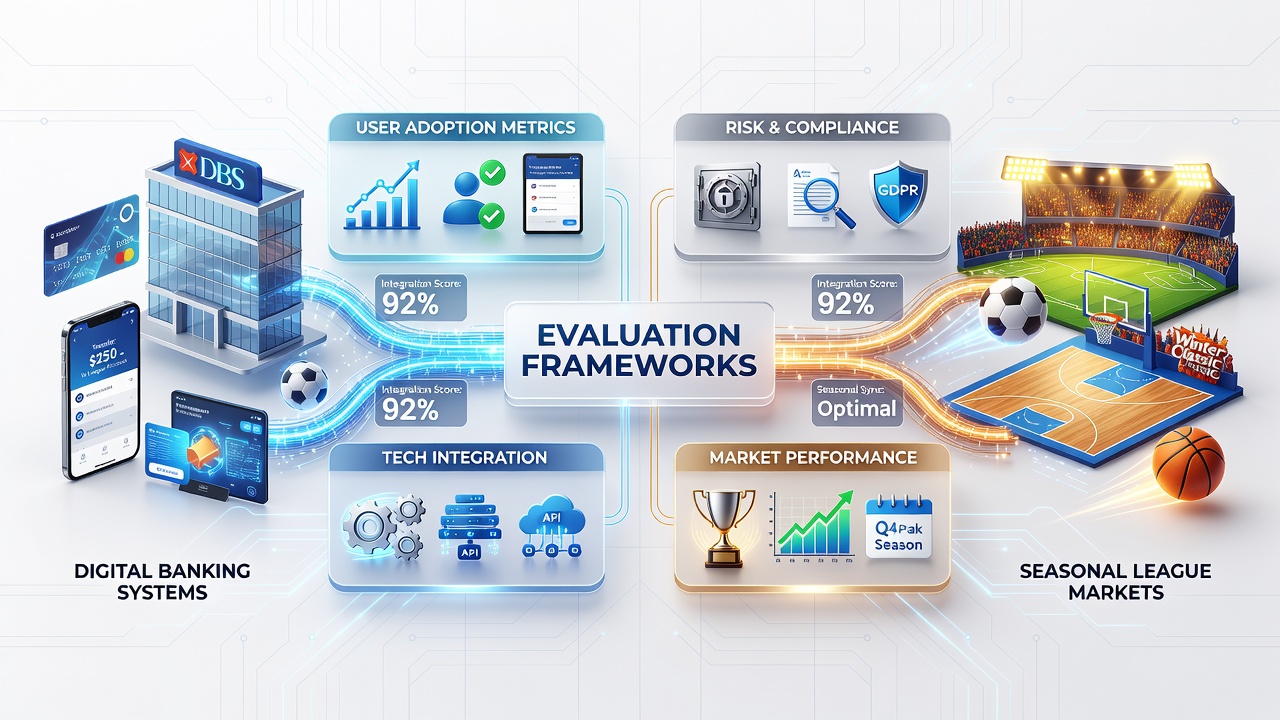
Case examples from Canadian financial regulators illustrate how frameworks incorporating both quantitative benchmarks and qualitative user experience reviews have streamlined the onboarding of instant payment features into apps that serve seasonal league audiences. One documented rollout in early 2026 demonstrated that early-stage framework alignment shortened certification timelines by several weeks compared with previous cycles.
Regional Variations in Framework Application
Different regions apply evaluation frameworks with distinct emphases, and those variations affect the pace at which digital banking integrates with league markets that span international boundaries. North American approaches tend to prioritize interoperability testing between banking APIs and market data feeds, while Asian-Pacific frameworks place heavier weight on transaction volume scalability during concentrated seasonal events. Reports from the Reserve Bank of Australia highlight that coordinated evaluation cycles have supported smoother cross-border flows for users participating in multiple league calendars within the same calendar year.
Future Trajectories Through 2026 and Beyond
By August 2026 updated framework iterations are expected to incorporate machine learning components for predictive risk assessment that further refine integration pathways between digital banking channels and seasonal league platforms. Academic papers from research centers tracking fintech adoption project continued convergence around shared evaluation standards that reduce duplication across borders. Those developments rest on ongoing data collection from live market environments where transaction patterns shift rapidly with league schedules.
Conclusion
Evaluation frameworks continue to function as gatekeepers that determine which digital banking capabilities reach seasonal league markets and at what speed. Their structured criteria, drawn from regulatory guidance and empirical performance data, produce measurable effects on transaction reliability and market accessibility across successive sports seasons. Continued refinement of these frameworks supports more consistent integration outcomes for operators and participants alike.