Feedback Loops Between Evaluator Insights and Financial Tool Choices Enhancing In-Game Wagering Fluidity Across League Seasons
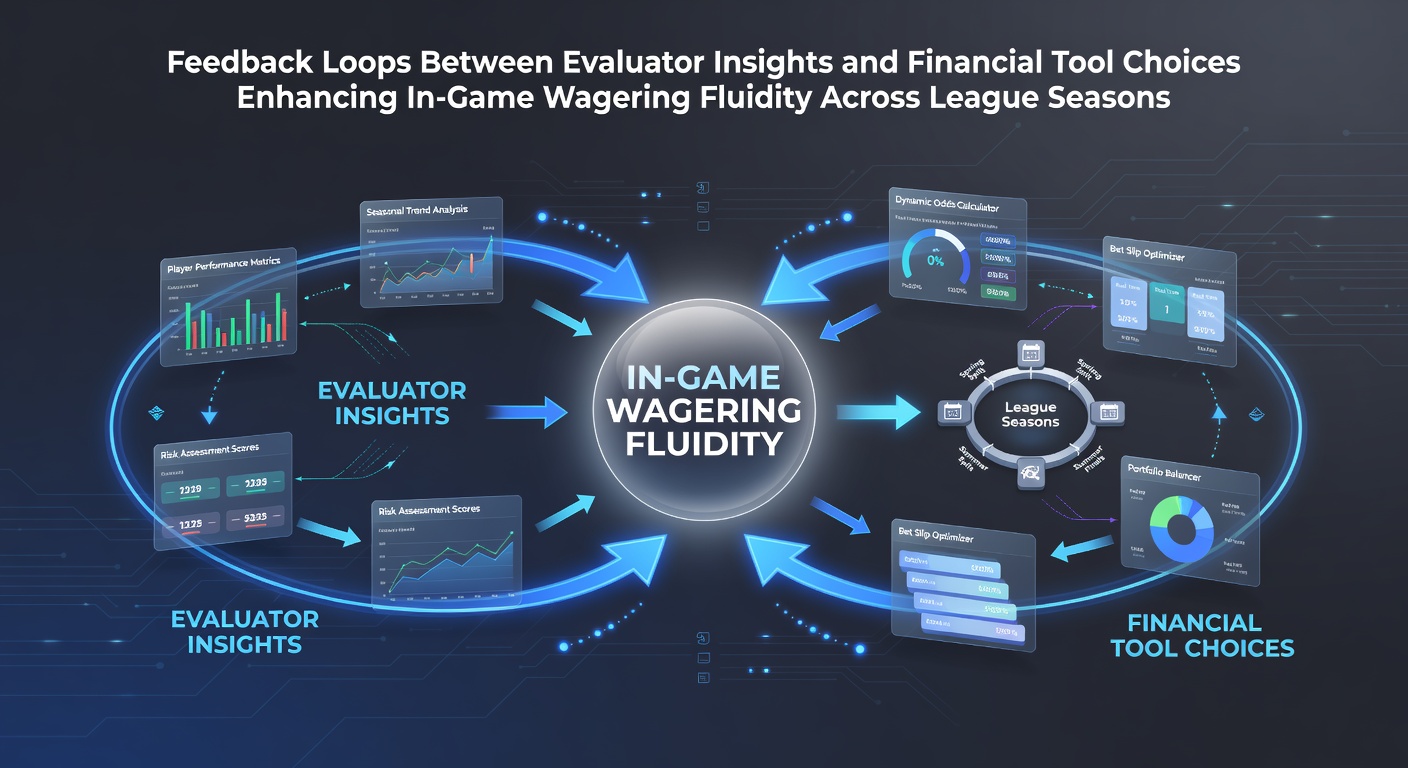
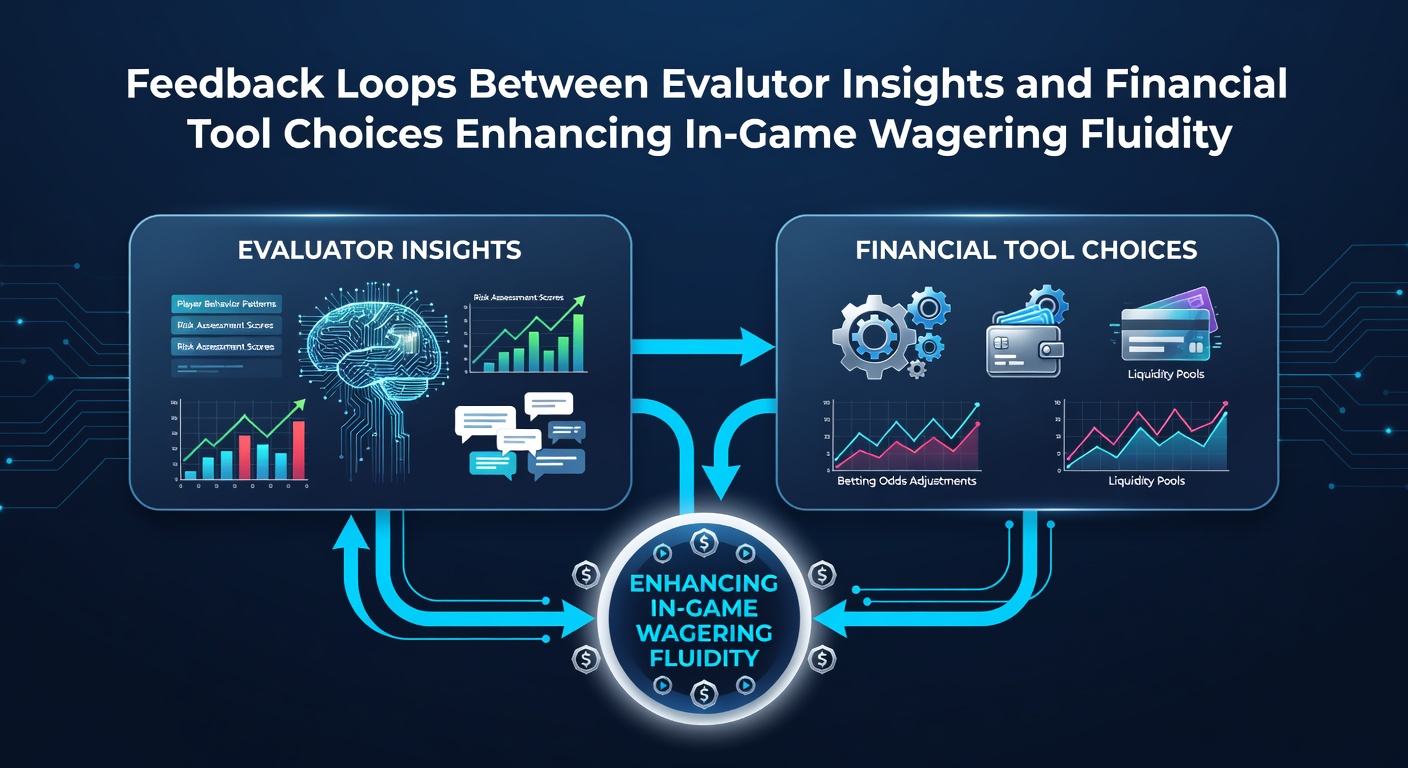
Evaluator insights from reviews and performance analyses interact directly with selections of financial tools such as e-wallets and digital transfers, which creates measurable improvements in how wagers process during active game play across multiple league seasons, and these interactions form recurring loops that refine both insight quality and tool efficiency over time.
Evaluator Insights Drive Initial Tool Evaluations
Review platforms and expert assessments compile data on transaction speeds, security features, and compatibility with live betting platforms, while bettors apply these evaluations when choosing methods that align with their wagering patterns during NFL and NBA matchups. Data from industry reports indicates that platforms incorporating aggregated evaluator scores see higher adoption rates for tools like instant transfer services, and this adoption correlates with fewer interruptions in placing bets mid-quarter or between innings. Researchers at the University of Nevada, Las Vegas documented patterns where positive evaluator feedback on specific banking options led to increased usage across seasonal periods, particularly when those options supported rapid deposits without additional verification steps.
Financial Tool Choices Affect Wagering Fluidity
Once selected based on evaluator data, financial tools determine the pace at which funds move into and out of active betting accounts, and this movement directly influences how smoothly users adjust wagers as game events unfold. Studies show that e-wallet integrations with sub-second processing times reduce latency in live markets, allowing participants to respond to momentum shifts in basketball or football contests without missing odds windows. According to figures from the American Gaming Association, leagues with extended seasons experience peak fluidity when tools undergo regular evaluator scrutiny that highlights reliability during high-volume periods such as playoffs or division races.
Seasonal Patterns Reveal Loop Dynamics
Across full league calendars, feedback loops strengthen because evaluator insights accumulate from one season to the next, guiding refinements in tool features that then generate fresh usage data for subsequent evaluations. In June 2026, tracking reports noted elevated integration of multi-currency options in NBA applications following evaluator recommendations from prior winter seasons, and these options sustained smoother cross-border transactions during international player showcases. Observers note that NFL schedules, with their weekly structure, produce distinct loop cycles compared to the more condensed NBA calendar, yet both benefit when tool choices incorporate seasonal evaluator metrics on peak-hour performance. This cyclical process expands as more users contribute outcome reports that evaluators synthesize into updated guidance.
Integration Mechanisms Strengthen Over Multiple Cycles
Platforms implement systems that automatically route evaluator-derived recommendations into payment selection interfaces, and users encounter these suggestions at teh moment they fund accounts for upcoming games. Evidence from regulatory filings reveals that such integrations decrease failed transaction rates by measurable percentages across consecutive seasons, while the resulting smoother experiences supply evaluators with clearer performance signals. Those who've studied these systems find that loops accelerate when tools receive iterative updates based on aggregated insights, particularly for features supporting in-game adjustments like live parlay modifications. The process operates continuously rather than in isolated bursts, because each completed wager cycle feeds back into the next round of evaluations.
Cross-League Comparisons Highlight Variable Impacts
Differences emerge when comparing how these loops function in baseball versus hockey seasons, where game durations and scoring frequencies alter the urgency of financial tool responsiveness. Evaluator datasets compiled over years show that shorter, high-action periods reward tools with instant confirmation capabilities more than extended contests do, yet both league types demonstrate improved overall fluidity when choices remain aligned with current insight trends. Reports compiled by the European Gaming and Betting Association track similar dynamics in international competitions, confirming that geographic variations in preferred tools still follow the same evaluator-to-choice feedback structure.
Conclusion
Feedback loops connecting evaluator insights with financial tool selections produce documented enhancements in wagering fluidity that persist and evolve across successive league seasons. The mechanisms operate through repeated cycles of assessment, adoption, performance measurement, and refinement, supported by data from multiple regulatory and academic sources that track transaction outcomes and user patterns. Continued monitoring of these interactions provides ongoing visibility into how payment ecosystems adapt to the demands of live sports environments.