Coordinating Dual-League Timelines with Transaction Protocols in Mobile Environments for Gridiron and Basketball Wagers
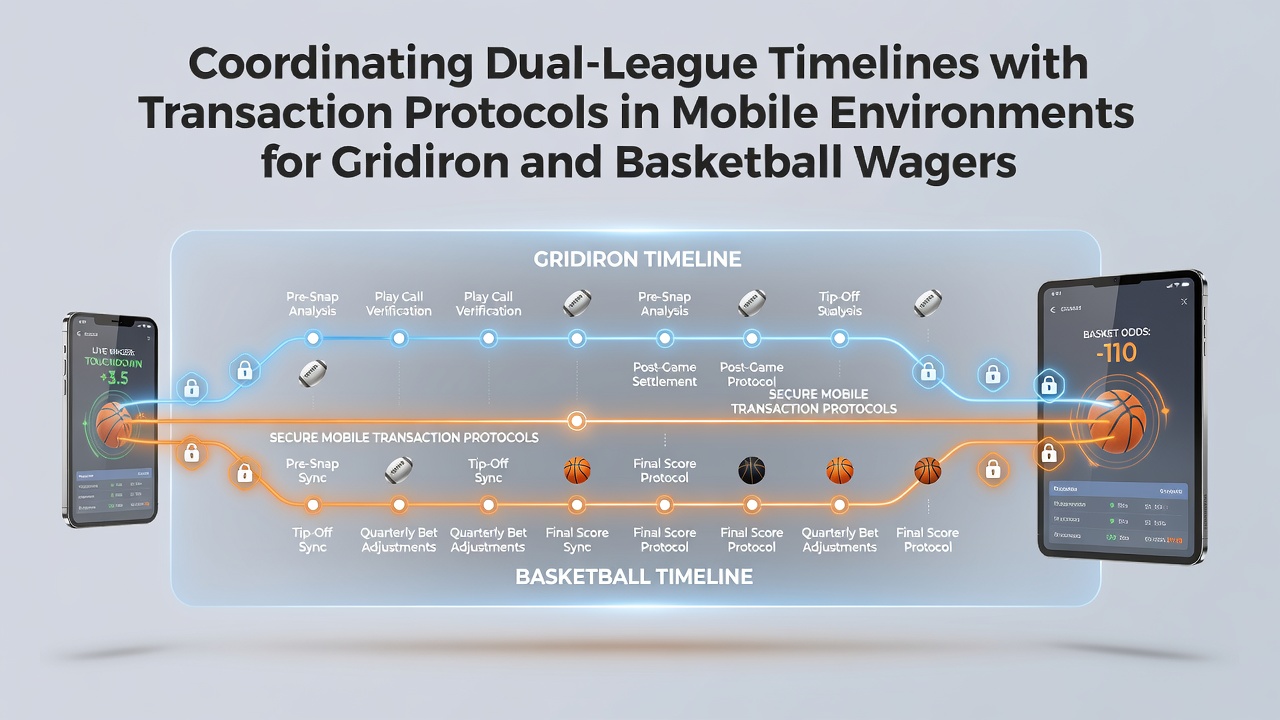
Gridiron and basketball seasons create overlapping windows that require precise coordination between game schedules and mobile transaction systems, with researchers documenting how users manage deposits and withdrawals across multiple leagues in single app sessions. Data from industry reports indicate that NFL games typically run from September through February while NBA contests span October to June, producing extended periods where bettors track simultaneous timelines in mobile environments.
Seasonal Overlaps and Mobile Scheduling Demands
Observers note that the overlap intensifies between November and February, when regular-season NFL matchups coincide with early NBA campaigns, forcing users to align transaction protocols with live odds updates on both fronts. According to figures from the Nevada Gaming Control Board, mobile betting volumes in regulated markets rose steadily through 2025, with transaction completion times averaging under 30 seconds for e-wallet methods during peak league windows. Those timelines matter because delayed deposits can miss narrow betting windows that open minutes before tip-off or kickoff.
Studies compiled by academic teams at the University of Nevada, Las Vegas, reveal that users frequently switch between league interfaces within the same app, executing transfers that must clear before game starts to lock in specific wagers. Transaction protocols built into these platforms incorporate real-time status checks that sync with league calendars, displaying countdowns tied directly to scheduled events rather than generic processing estimates.
Transaction Protocol Integration with Live League Data
Payment flows in mobile environments now incorporate API connections that pull schedule data from official league sources, allowing automatic alerts when a transaction window approaches a critical game start. Researchers tracking usage patterns report that e-wallet and instant banking options handle the bulk of activity during dual-league periods, with success rates above 95 percent when protocols match the timing of both NFL and NBA events. In June 2026, off-season planning tools within apps began incorporating predictive scheduling features that help users pre-authorize transfers for upcoming fall and winter seasons.
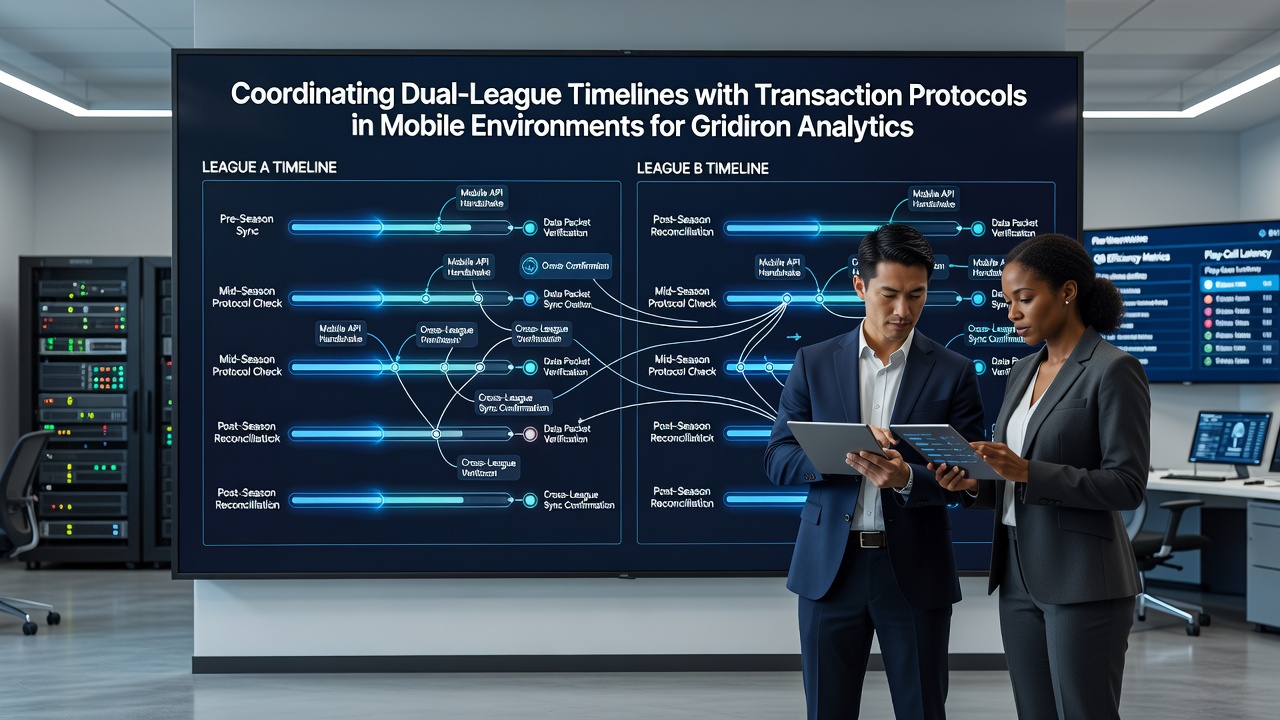
One documented case involved platforms routing funds through multiple rails simultaneously, where a single balance update reflected activity across both leagues without requiring separate logins or additional verification steps. This approach reduces friction during moments when an NFL game enters its final quarter at the same time an NBA contest reaches halftime, periods when odds shift rapidly and quick deposits become essential.
Regulatory Frameworks Supporting Cross-League Mobile Operations
Regulatory bodies in multiple jurisdictions, including the Alcohol and Gaming Commission of Ontario, have outlined standards for transaction speed and data synchronization that apply directly to apps handling concurrent sports markets. These guidelines require platforms to maintain audit logs that timestamp both wager placements and associated fund movements, creating verifiable records that align with league schedules. Figures released by the Australian Communications and Media Authority show similar emphasis on timing accuracy in mobile gambling systems, with compliance checks occurring at regular intervals throughout overlapping seasons.
Industry organizations such as the Sports Betting Alliance have published technical specifications for protocol integration that address latency between mobile devices and backend servers during high-volume periods. Users benefit from these standards when managing wagers on Thursday night NFL games alongside evening NBA tip-offs, as the systems automatically adjust for time zone differences and game delays reported by official sources.
Practical Coordination Examples Across Platforms
Take one platform that introduced dual-league dashboards in early 2026, where transaction histories display side-by-side timelines for gridiron and basketball activity, complete with color-coded indicators for pending transfers. Observers tracking these implementations note that users can set recurring deposit rules tied to specific game days, such as automatic small transfers before Sunday NFL slates or weekday NBA doubleheaders. Such features rely on secure tokenization that maintains compliance while allowing rapid execution across both sports.
Another example comes from apps that integrate push notifications linked to transaction status, alerting users when a withdrawal from basketball winnings clears in time to fund gridiron wagers later the same evening. Data indicates these coordinated alerts reduce failed transaction attempts by aligning user actions more closely with actual processing durations reported by financial partners.
Conclusion
Coordinating dual-league timelines with transaction protocols in mobile environments continues to evolve as gridiron and basketball schedules generate consistent overlap, with regulatory standards and technical integrations providing the structure for reliable execution. Platforms that maintain accurate synchronization between league data and payment systems support user activity across extended seasons without introducing unnecessary delays. As mobile betting infrastructure develops further, these coordination mechanisms remain central to managing wagers in environments where multiple sports operate simultaneously.