Connecting Assessment Metrics to Banking Efficiency in Mobile Environments for Ongoing League Events
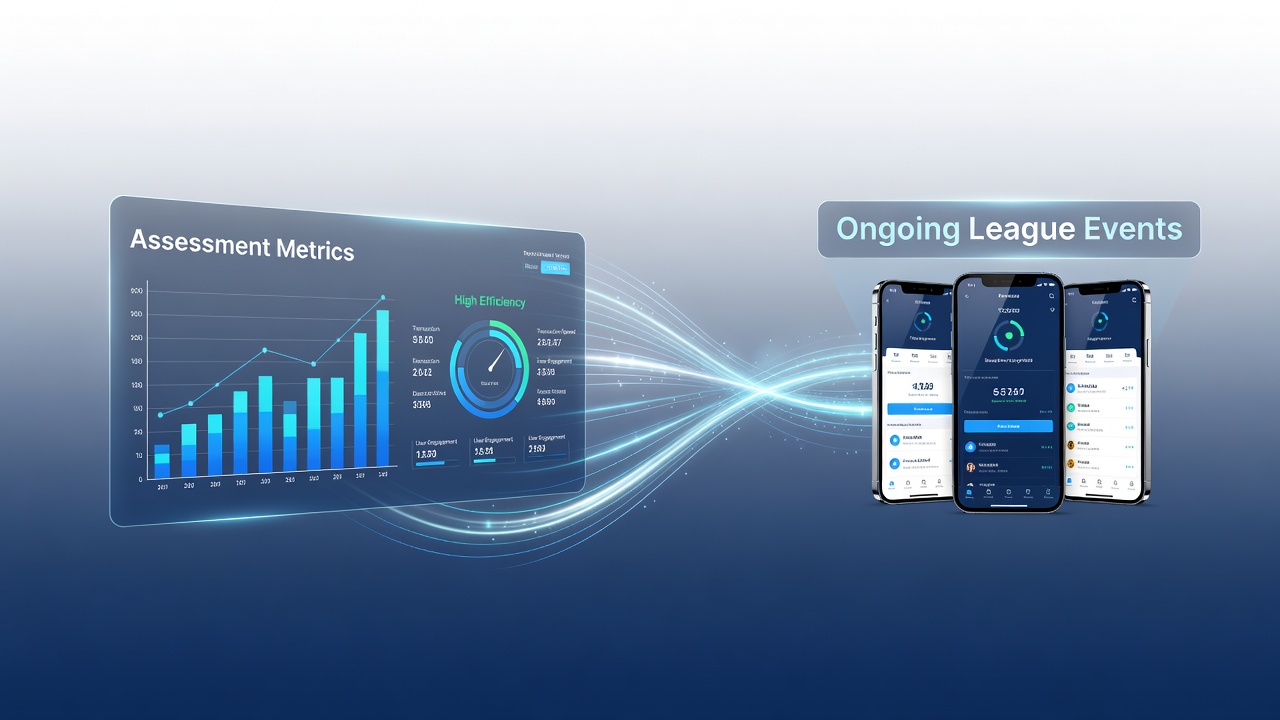
Assessment metrics derived from user evaluations have become central to refining banking processes within mobile platforms that support ongoing league competitions, where real-time transactions determine participation levels across seasons extending into June 2026. Data collected through structured review systems reveals patterns in deposit speeds, withdrawal reliability, and overall transaction fluidity that operators then map against performance benchmarks during peak league windows such as NBA finals periods or international soccer tournaments.
Defining Key Assessment Metrics in Mobile Banking Contexts
Review aggregation platforms capture quantitative scores alongside qualitative comments on elements like processing times and error rates, creating datasets that researchers cross-reference with backend efficiency logs. Observers note that these metrics often highlight friction points such as authentication delays or currency conversion lags, which become pronounced when users engage in live markets tied to league events unfolding across multiple time zones. Studies from academic institutions have tracked how elevated complaint volumes around specific banking features correlate with measurable drops in session completion rates during high-stakes matches.
Organizations monitoring digital payment flows report that assessment scores related to e-wallet integrations frequently predict subsequent upgrades in API response times, allowing platforms to synchronize faster fund movements with the unpredictable pacing of league schedules. This linkage appears in aggregated industry reports where higher-rated banking tools coincide with reduced abandonment rates during extended competition stretches.
Banking Efficiency Patterns During League Seasons
Mobile environments supporting continuous league events generate distinct efficiency demands compared with static betting periods, as participants require immediate access to balances for in-play adjustments. Transaction logs from major platforms indicate that average deposit confirmation windows shrink by measurable percentages when assessment-driven optimizations target verification bottlenecks, particularly evident in North American markets during spring and early summer league overlaps. Regulatory bodies such as those in Australia have documented similar trends through oversight of licensed operators handling cross-border payments for events running through June 2026.
One study revealed that platforms incorporating user feedback loops into their banking infrastructure achieved faster reconciliation cycles, reducing average dispute resolution from hours to minutes in documented cases. These improvements align directly with periods of intensified activity surrounding championship deciders, where delayed payouts can interrupt ongoing engagement sequences.
Interconnections Between Feedback Analysis and Operational Adjustments
Operators analyze assessment clusters to identify recurring themes around specific payment rails, then prioritize technical refinements that enhance throughput without compromising security protocols. Evidence from transaction monitoring services shows that when review sentiment improves regarding particular e-wallet providers, corresponding efficiency gains emerge in metrics such as failed transaction percentages and settlement durations. This dynamic plays out across mobile sessions tied to league events, where timing precision affects user retention during critical game phases.
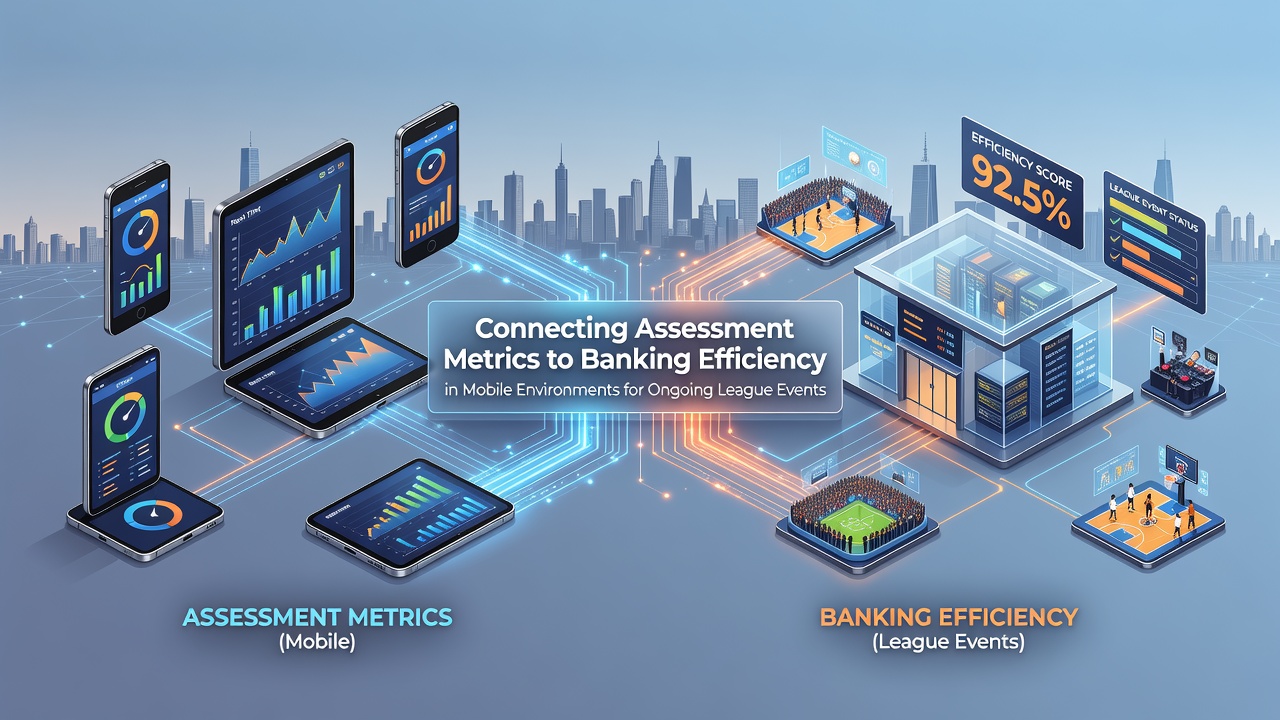
Research indicates that geographic variations influence these connections, with European operators often emphasizing compliance-linked metrics while Asian platforms focus more on speed-related feedback. Figures from payment industry analyses confirm that integrated assessment systems enable predictive adjustments ahead of known high-volume periods like June 2026 tournament clusters, minimizing latency spikes that historically accompanied sudden influxes of mobile users.
Regional Regulatory Influences on Metric Integration
Authorities across different jurisdictions shape how assessment data informs banking enhancements by setting standards for transparency in transaction reporting. The Australian Communications and Media Authority has outlined frameworks requiring operators to address user-reported inefficiencies through documented improvement plans, creating structured pathways from feedback to operational changes. Similar approaches appear in Canadian provincial oversight models, where efficiency benchmarks tied to mobile banking receive direct scrutiny during license renewals.
These regulatory structures encourage platforms to maintain detailed mapping between assessment categories and banking performance indicators, ensuring that adjustments remain responsive to patterns observed in league-specific usage data. Industry associations tracking global trends have noted rising adoption of unified dashboards that merge review analytics with real-time banking telemetry for continuous optimization.
Conclusion
The relationship between assessment metrics and banking efficiency continues to evolve within mobile environments dedicated to ongoing league events, driven by systematic analysis of user input alongside transaction performance records. As platforms refine these linkages through data integration, measurable improvements in processing reliability emerge across diverse competition calendars extending into mid-2026 periods. Observers tracking these developments point to sustained focus on feedback-informed refinements as a consistent factor in maintaining operational standards amid fluctuating league demands.