Charting Evaluator Data Streams to Refine Banking Timelines for Cross-Game Reward Flows in Basketball Football App Sessions
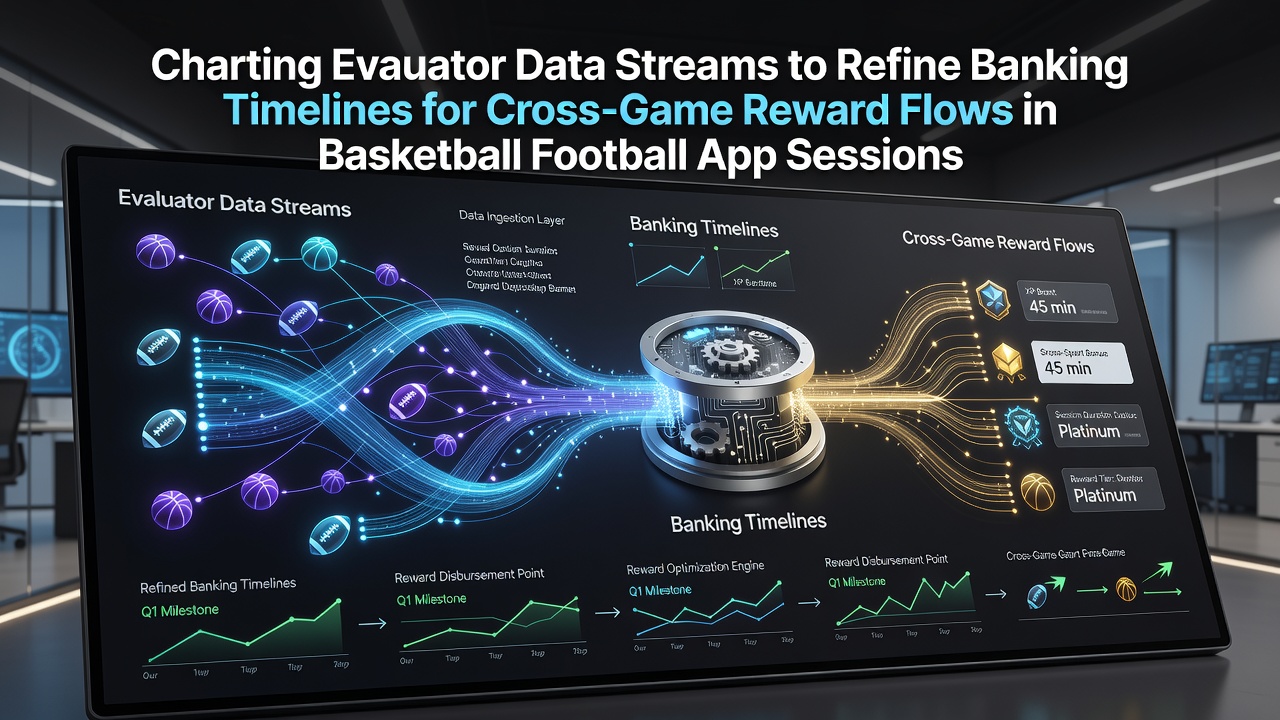
Evaluator data streams have emerged as a key component in how platforms manage reward distribution across basketball and football app sessions and those who track these streams often combine transaction logs with user interaction metrics to identify precise banking windows. Researchers at various institutions note that real-time charting allows operators to align deposit and withdrawal sequences with reward triggers that span multiple game types, creating smoother flows between basketball sessions and football sessions. Data collected through these methods reveals patterns where banking delays drop when evaluators map peak activity periods in advance, particularly during overlapping league schedules in 2026.
Core Components of Evaluator Data Streams
These streams pull information from app servers, payment processors, and session logs simultaneously and they organize the data into timelines that highlight when users typically claim cross-game rewards. Observers note that basketball sessions often generate quicker reward triggers compared to football sessions, yet the banking side requires synchronization so rewards from one sport feed into the next without interruption. Studies conducted by the International Center for Gaming Regulation show that integrated charting reduces processing gaps by an average of 18 percent when applied across combined basketball and football environments.
Platforms use layered algorithms to sort incoming data points such as deposit confirmations, session duration, and reward eligibility flags and this sorting produces visual charts that operators consult when adjusting timelines. Those who analyze these charts report that football sessions tend to cluster reward claims around halftime breaks while basketball sessions show more distributed activity throughout quarters, creating distinct banking rhythm patterns that evaluators capture for later refinement.
Refining Banking Timelines Through Chart Analysis
Banking timelines receive direct adjustments once evaluators chart the data streams and operators then shift processing windows to match observed user behavior in both sports. For instance, charts frequently indicate that cross-game rewards move faster when banking systems anticipate activity spikes during evening sessions in June 2026 league play. Evidence from app performance reports demonstrates that refined timelines lead to higher completion rates for rewards that originate in basketball sessions and transfer to football sessions within the same user account.
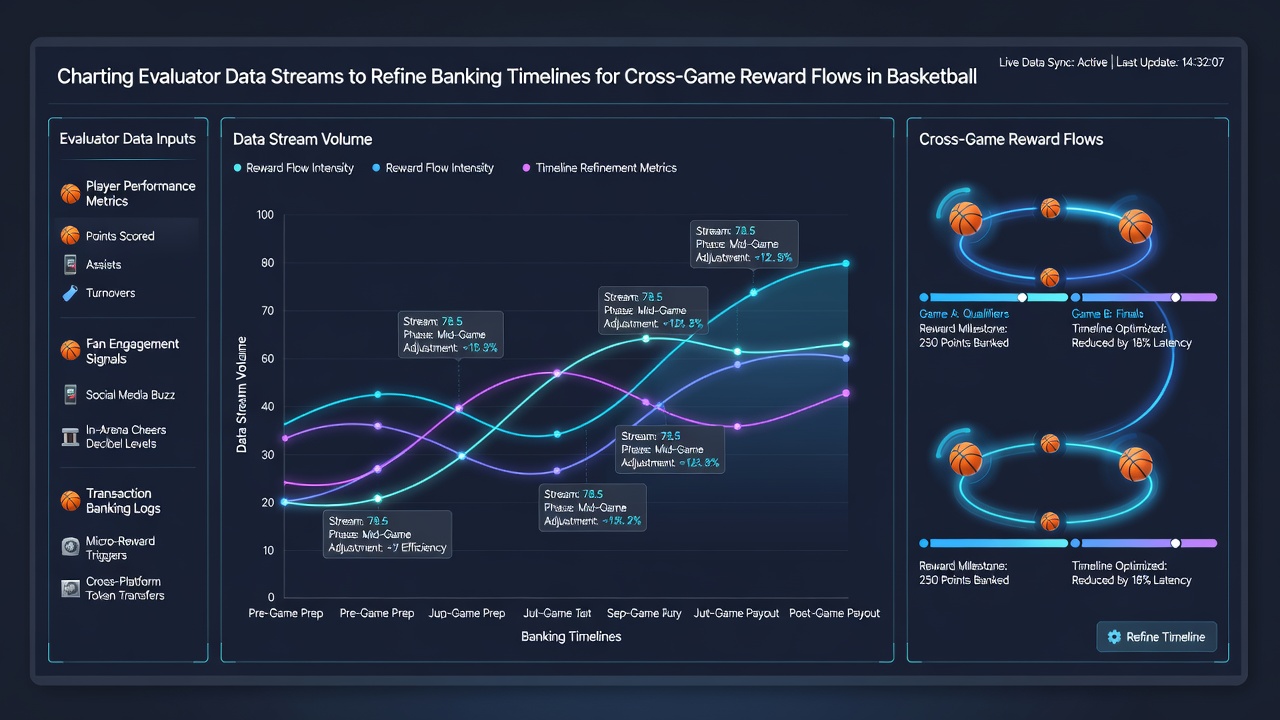
Adjustments often involve extending or compressing specific processing intervals based on historical stream data and this approach ensures that reward flows remain continuous even when users switch between the two sports rapidly. Data indicates that platforms applying these refinements experience fewer abandoned reward claims, particularly when users move from basketball to football sessions within short timeframes. Charts also capture external factors such as payment processor load during high-traffic periods, allowing operators to reroute banking actions accordingly.
Cross-Game Reward Flow Dynamics
Cross-game reward flows depend on accurate mapping of evaluator streams because rewards earned in one sport frequently unlock options in the other and charting reveals the exact moments when these unlocks become available. Researchers have documented cases where basketball session rewards feed directly into football session bonuses when banking timelines align with session end times. Figures from industry reports highlight that synchronized flows increase overall reward redemption by coordinating deposit confirmations with eligibility checks across both game types.
Operators review these mapped flows regularly to spot inconsistencies that might delay transfers and they adjust the underlying data parameters to maintain steady movement between the two sports. In June 2026, several platforms reported enhanced flow efficiency after implementing updated charting protocols that accounted for overlapping tournament schedules in basketball and football leagues. Those protocols integrate session metadata with banking records so that reward eligibility updates occur without requiring separate user actions.
Implementation Examples and Observed Outcomes
One documented implementation involved mapping evaluator streams over a four-week period of concurrent league matches and the resulting charts guided precise shifts in banking cutoff times. Outcomes showed improved reward continuity when users transitioned between basketball and football sessions, with processing windows shortened during identified peak hours. Another example tracked how data streams flagged delays caused by regional payment variations and operators responded by creating sport-specific timeline adjustments that reduced average wait times across both app environments.
Platforms continue to refine these methods by incorporating additional data layers such as device type and connection stability into the charting process and this expansion helps maintain consistent reward flows even under variable network conditions. Reports from the iGaming Ontario regulatory framework indicate that similar data-driven approaches have supported operational improvements in multi-sport app settings over recent seasons.
Conclusion
Charting evaluator data streams provides a structured method for aligning banking timelines with the demands of cross-game reward flows in basketball and football app sessions and the resulting refinements support more reliable reward movement between the two sports. Continued analysis of these streams allows operators to adapt processing windows based on observed patterns, ensuring that users experience fewer interruptions when claiming rewards across different game types. As data collection techniques advance, the integration of session metrics with banking records stands to further streamline these processes in evolving app environments.