Biometric Gateways: How Facial Recognition and Fingerprint Tech Are Reshaping Reward Access During High-Volume League Seasons
Written by Nils Bennett · Aug 2, 2026
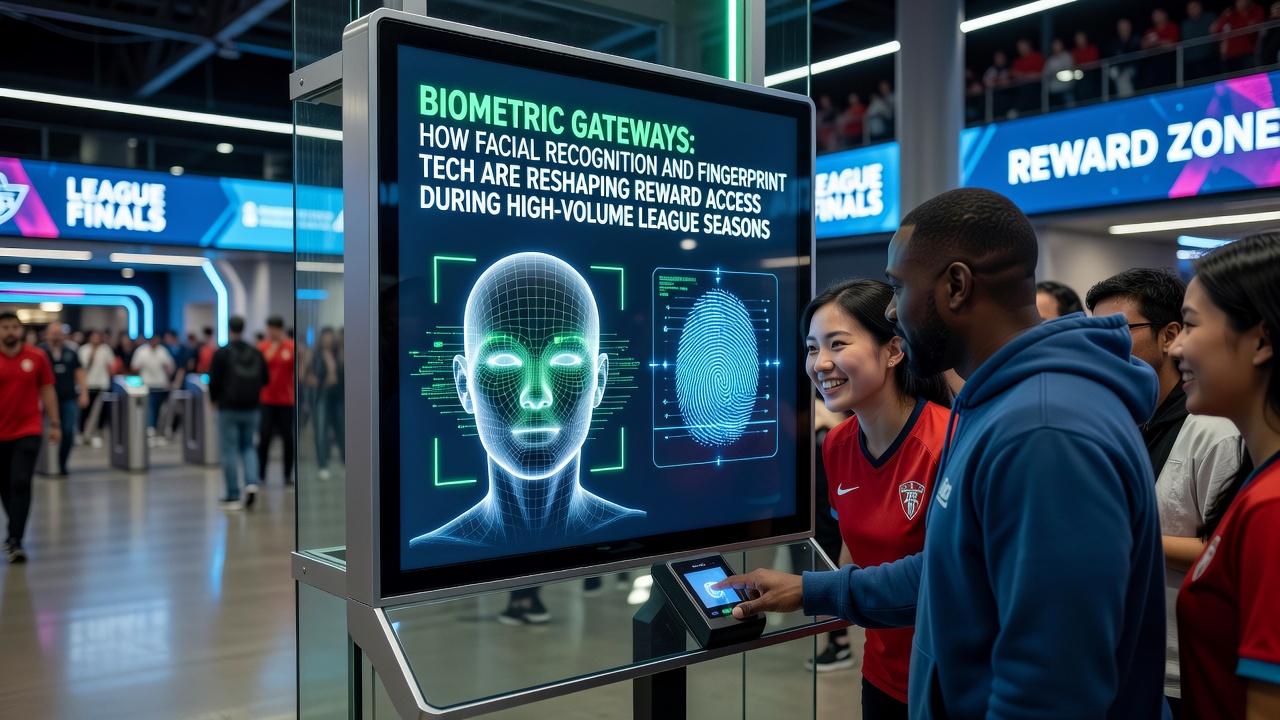
Biometric Gateways: How Facial Recognition and Fingerprint Tech Are Reshaping Reward Access During High-Volume League Seasons
Biometric gateways have entered sports betting platforms as operators integrate facial recognition and fingerprint scanning to manage reward claims amid peak activity in major leagues. Data from industry reports shows adoption rates climbing through 2025 into 2026, driven by the need to verify users quickly when volumes spike during NFL and NBA seasons. These systems replace or supplement traditional passwords and one-time codes, allowing platforms to confirm identity through physiological traits before releasing bonuses or loyalty points.
Operators began rolling out facial recognition features in select markets as early as 2023, with broader deployment accelerating by mid-2025. Fingerprint sensors on smartphones handle the majority of daily verifications because most devices already include the hardware, whereas facial systems often require dedicated camera calibration and lighting adjustments. Research from the University of Nevada Reno indicates that fingerprint methods complete verification cycles in under two seconds on average, while facial scans average four to six seconds depending on network conditions and device quality.
Technical Integration in Reward Systems
Platforms link biometric data to user accounts at the registration stage, storing encrypted templates rather than raw images or prints. During high-volume periods such as the August 2026 preseason rush for NFL betting, these templates activate when a user attempts to claim a deposit match or access tiered rewards. The process runs locally on the device first, then cross-checks with server-side records to prevent duplicate claims or account sharing. Industry organizations like the American Gaming Association note that this approach reduces manual review queues by as much as 70 percent during peak windows.
Multiple leagues operate overlapping calendars, creating sustained pressure on support teams and transaction systems. Fingerprint gateways allow bettors to move from odds selection to reward redemption without leaving the app interface, while facial options serve as backup when sensors fail or when users switch devices. Observers note that the combination keeps session abandonment rates lower than password-only flows, particularly when thousands of simultaneous claims occur after major games.
Security and Compliance Measures
Regulatory frameworks in several jurisdictions require operators to maintain audit trails for biometric transactions. The Nevada Gaming Control Board mandates that platforms retain verification logs for at least three years, including timestamps and method used. Similar rules appear in Canadian provincial guidelines, where biometric templates must undergo independent security testing before approval. These requirements push developers to adopt liveness detection algorithms that distinguish real faces from photos or masks, cutting down on spoofing attempts reported in earlier testing phases.
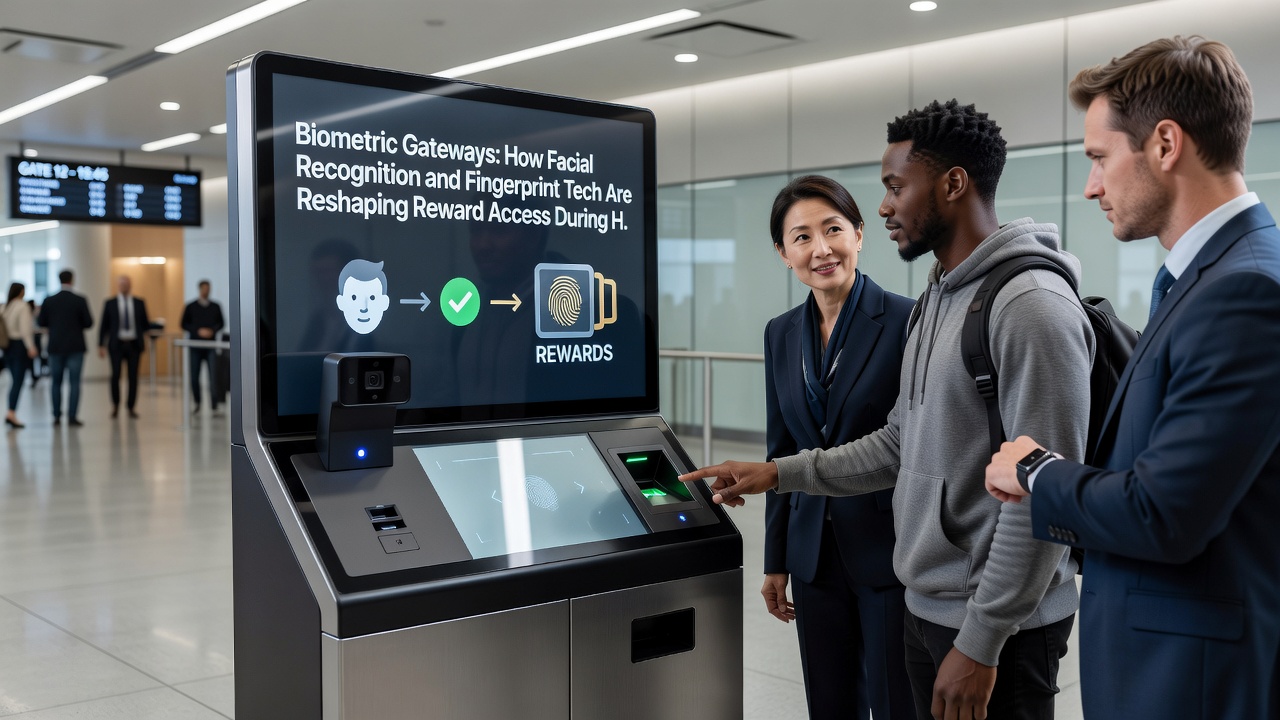
Privacy protections vary by region yet share common elements. Platforms must obtain explicit consent before enrolling users, and individuals retain the right to opt out in favor of alternative verification such as government ID upload. A 2025 study published by researchers at Carnegie Mellon University examined data handling practices across ten major betting applications and found that 80 percent encrypt biometric templates with keys stored separately from the main user database. This segmentation limits exposure in the event of a breach, though the study also recorded inconsistent deletion policies once accounts close.
Performance During Peak League Windows
High-volume seasons test these systems under real conditions. NBA playoff surges and NFL regular season weeks generate simultaneous reward claims that exceed normal daily totals by factors of three to five. Platforms equipped with biometric gateways report faster average claim processing times compared with earlier seasons that relied primarily on SMS codes or email links. One operator shared aggregated figures showing a 45 percent drop in support tickets related to failed logins during the first month of the 2025 NFL campaign after full biometric rollout.
Device compatibility remains an ongoing factor. Older smartphones without updated sensors sometimes fall back to facial recognition even when fingerprint is preferred, and network latency during live events can extend facial scan times further. Developers continue refining edge-case handling, including offline template matching that syncs once connectivity returns. Those who have monitored rollout data across multiple seasons indicate that hybrid systems handling both modalities maintain higher completion rates than single-method approaches.
Future Developments and Adoption Patterns
Additional features under testing include multi-factor biometric checks that combine face and fingerprint within the same transaction, intended for higher-value reward tiers. Early pilots show these layered verifications add minimal friction while meeting stricter internal risk thresholds set by operators. Geographic expansion continues as well, with markets in Australia and several European countries evaluating similar frameworks under their own data protection statutes.
Training datasets used to improve recognition accuracy across skin tones and age groups have drawn attention from academic teams, prompting some platforms to publish diversity metrics alongside their quarterly performance reports. Continued refinement in this area supports broader user acceptance, especially as more casual bettors encounter the technology for the first time during the 2026 league calendars.
Conclusion
Biometric gateways continue to expand within sports betting ecosystems as operators balance speed, security, and regulatory demands during concentrated periods of league activity. Facial recognition and fingerprint technologies now handle a growing share of reward verifications, supported by encryption standards and regional compliance rules that shape their implementation. Data from multiple sources shows measurable reductions in processing delays, while ongoing research addresses accuracy and privacy considerations across diverse user populations.